


Hardwood Floors Basement Kansas City: Can It Be Done?
Many homeowners ask about hardwood floors for their basement in Kansas City — and for good reason. Finishing or upgrading a basement with real wood adds warmth, value, and beauty. But they’ve also heard that wood and basements don’t mix. So what’s the truth?
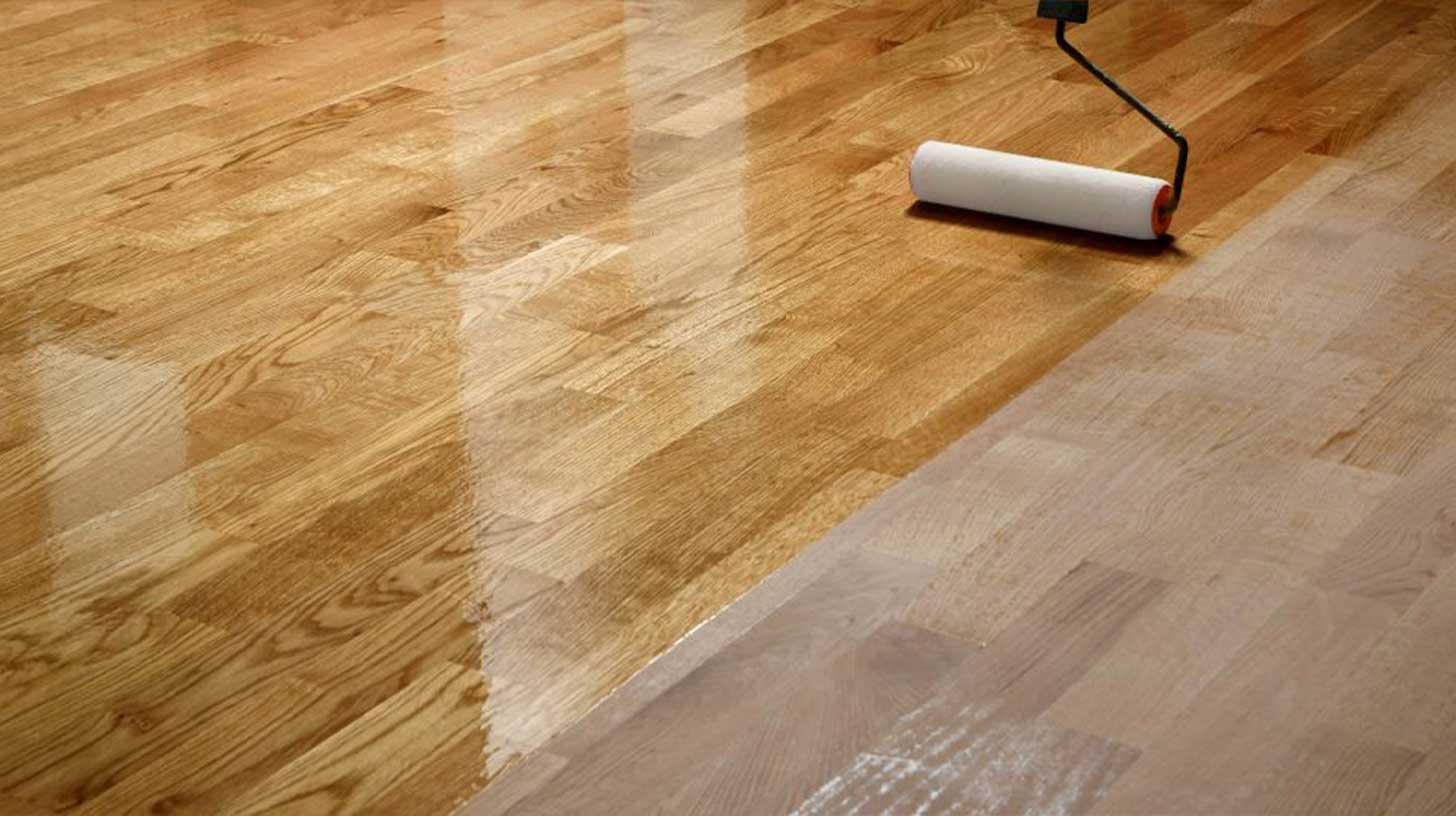
The answer is: it depends on what type of hardwood you choose. Here’s everything Kansas City homeowners need to know before making a decision.
Why Basements Are Challenging for Hardwood
Basements present two main challenges for wood floors:
- Moisture: Basements are below grade and naturally more humid. Moisture can seep through concrete slabs, especially after heavy rain — something Kansas City homeowners experience frequently.
- Temperature fluctuations: Basements can be cooler than the rest of the home, and the temperature differential can affect wood stability over time.
Understanding these factors is essential before choosing hardwood floors for any Kansas City basement.
Solid Hardwood in Basements: Not Recommended
Solid hardwood is not recommended for basements. The moisture levels below grade are almost always too high for solid wood, which absorbs and releases moisture and will warp, cup, or buckle over time.
Even if your basement feels dry, the concrete slab underneath typically holds moisture that will affect solid wood — making it a risky investment regardless of how dry the space appears.
Engineered Hardwood: The Right Solution for Hardwood Floors Basement Kansas City Projects
Engineered hardwood is the ideal choice for Kansas City basement installations. Its layered plywood construction gives it significantly better moisture resistance than solid wood, while still delivering the look and feel of real hardwood on top.
According to the National Wood Flooring Association, engineered hardwood is specifically designed for environments where moisture and temperature fluctuations make solid wood impractical.
What makes it work:
- Can be glued directly to a concrete slab
- Handles humidity better than solid wood
- Real wood top layer looks identical to solid hardwood
- Available in all the same species and stain colors
3 Things to Do Before Installing Hardwood Floors in a Kansas City Basement
1. Moisture Test the Slab
Before any flooring goes down, the concrete slab must be tested for moisture vapor emission. Our team performs this test during the estimate visit at no charge. This single step can save thousands in future floor damage.
2. Address Any Water Intrusion
If your basement has a history of water coming in during heavy rain, that issue needs to be resolved before installing any flooring — hardwood or otherwise.
3. Install a Vapor Barrier
In most basement installations, a vapor barrier or moisture-resistant underlayment goes between the concrete and the wood to provide an extra layer of protection against humidity shifts.
Other Good Flooring Options for KC Basements
If your basement has significant moisture issues, here are alternatives worth considering:
- Luxury Vinyl Plank (LVP): 100% waterproof, looks like wood, very durable
- Ceramic or Porcelain Tile: Fully moisture-proof, great for utility areas
- Carpet tiles: Comfortable and easy to replace sections if damaged
Our honest take: For basement living spaces where the moisture levels are manageable, engineered hardwood floors in a Kansas City basement are a great investment. For high-moisture basements or utility areas, LVP may be the smarter choice.
Let Us Assess Your Basement
Premium Wood Floors KC will evaluate your basement’s moisture levels and recommend the right flooring solution for your specific situation. Request your free in-home estimate and we’ll bring the moisture testing equipment on the first visit.
You can also explore our full range of hardwood floor installation services to see all available species and engineered options.
- ✅ Free in-home moisture assessment
- ✅ Engineered hardwood installation over concrete
- ✅ Honest recommendations — no upselling
- ✅ Serving Kansas City, Overland Park, Lenexa, Olathe, and surrounding areas
- ✅ 4.9 stars on Google
📞 Schedule your free estimate today!
